Yoga and Meditation Studios in Vilnius
Finding your ideal practice space in Lithuania's vibrant capital
Why Vilnius is Growing as a Wellness Hub
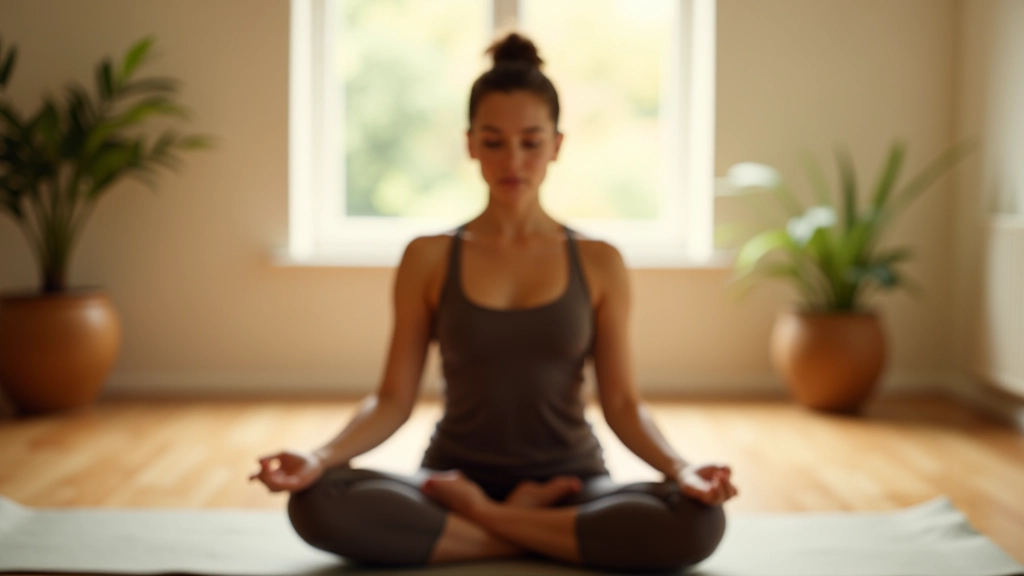
Over the past five years, Vilnius has quietly become one of the Baltic's most interesting destinations for yoga and meditation practice. It's not just about the studios themselves — though there's definitely quality here. The city's growing wellness community reflects something broader: more people are realizing that consistent practice actually changes how you move through your day.
The studios we're covering range from intimate neighborhood spaces to full-service centers with multiple instructors and specialized classes. Some focus on traditional Hatha and Vinyasa flows. Others blend contemporary approaches with mindfulness training. What they share? Real expertise and genuine commitment to their students' progress.
Understanding Different Teaching Styles
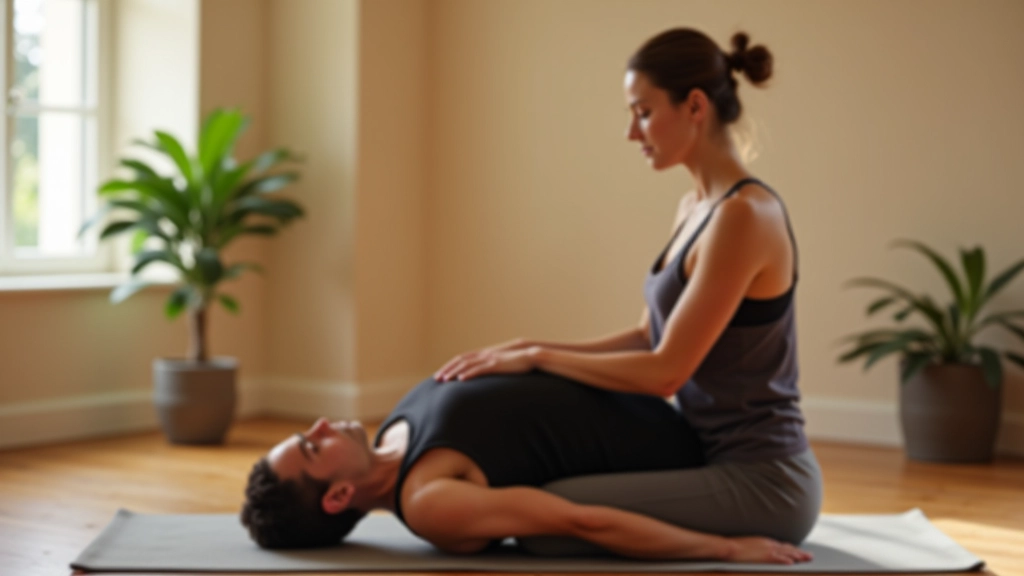
You'll find several distinct approaches when you start exploring Vilnius studios. Hatha yoga moves slowly through poses, holding each for several breaths. It's excellent if you're starting out or if you want to really understand alignment. Vinyasa, by contrast, flows continuously from one pose to the next, syncing movement with breath. It's more dynamic and builds heat in the body.
Pro tip: Don't worry about picking "the right" style immediately. Most studios offer drop-in classes, so you can try different teachers and approaches before committing to a membership.
Yin yoga has become increasingly popular — this style involves longer holds (sometimes 3-5 minutes) in poses that target deeper connective tissues. It pairs beautifully with meditation practice. Kundalini focuses on energy activation through breathwork, mantras, and specific sequences. If you've never encountered it before, it can feel quite different from typical yoga classes, but practitioners swear by its transformative effects.
Meditation Classes: Structured vs. Open Practice
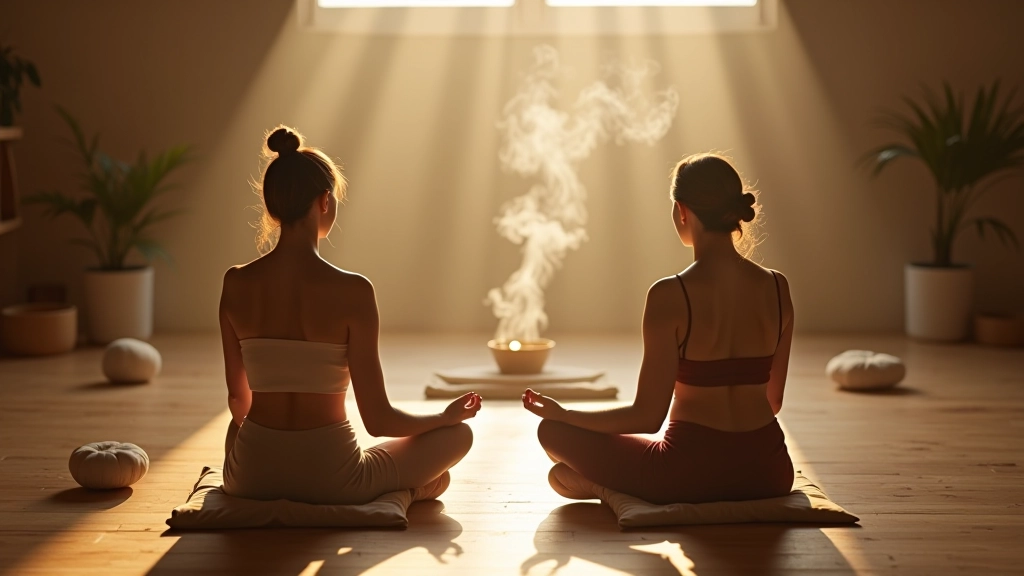
Meditation might sound simple — you sit quietly and focus. But there's actually technique involved, and instructors in Vilnius studios teach various methods. Guided meditation uses a teacher's voice to direct your attention, often through visualization or body scanning. This works wonderfully if you're new to the practice because it gives your mind something concrete to do.
Silent meditation, as the name suggests, involves sitting without instruction. The teacher might set a timer and perhaps ring a bell at the beginning and end, but otherwise you're working with your own mind. It's challenging initially — maybe frustrating — but many practitioners find it becomes more rewarding over time.
Reality check: Your mind won't go blank. That's actually not the goal. The practice is noticing when your thoughts wander and gently bringing attention back. That's it. That's the work.
How to Choose the Right Studio for You
Location & Schedule
Check whether class times align with your week. Some studios offer early morning sessions (6-7am), lunch-hour classes, and evening options. A convenient location matters more than you'd think — you're more likely to actually attend if the studio is on your way home or near work.
Teacher Experience
Look at instructor qualifications. Most serious teachers in Vilnius have completed 200+ hours of training (the basic certification standard). Some have 500+ hours or advanced specializations. Don't hesitate to ask questions — good teachers welcome curiosity about their background.
Studio Atmosphere
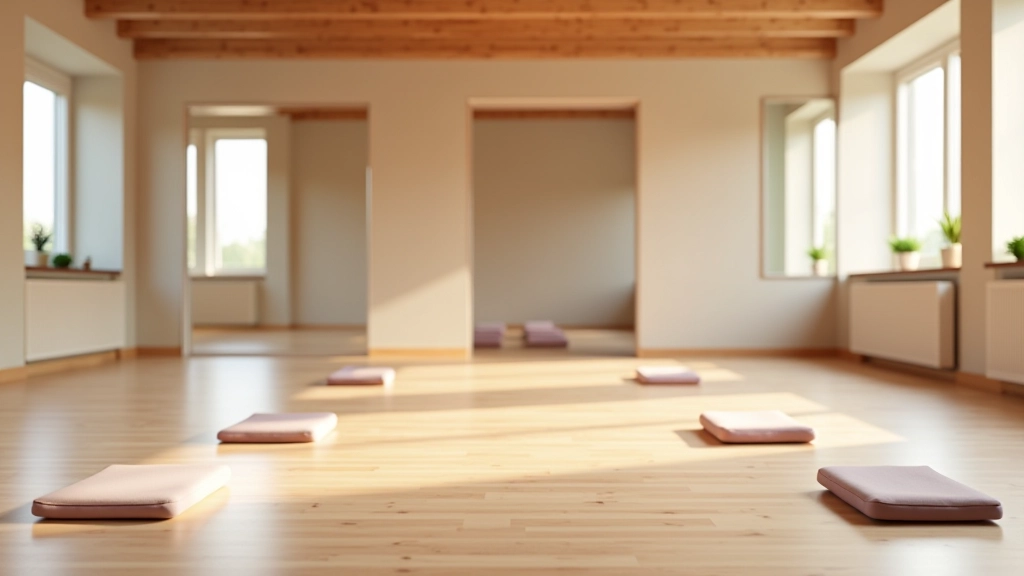
Visit before committing. Does the space feel welcoming? Are existing students friendly? Is it clean and well-maintained? Some studios emphasize community and social connection, while others keep things quiet and focused. Both are valid — it depends on what you need.
Class Size & Pacing
Smaller classes (6-12 people) mean more personalized attention. Larger group classes can feel energizing but offer less feedback. Fast-paced classes suit athletic practitioners; slower sessions work better if you're recovering from injury or just starting out.
Beginner-Friendly Environment
Don't assume you need experience to join. Many studios explicitly welcome beginners and offer fundamentals classes. These typically cover basic poses, breathing techniques, and alignment principles without assuming prior knowledge.
Facilities & Amenities
Consider what matters to you. Do you need shower facilities? Is a changing room important? Some studios provide mats and props; others require you to bring your own. Check whether they offer water stations and what the temperature control is like.
Educational Note
This article provides informational guidance about yoga and meditation practices in Vilnius. It's not medical advice or a substitute for professional instruction. If you have existing health conditions, injuries, or are pregnant, consult your doctor before starting a yoga practice. Always inform your instructor about any physical limitations so they can suggest modifications. Studios vary in their approaches and qualifications — do your own research and choose what feels right for your circumstances.
Starting Your Practice in Vilnius
Finding a yoga or meditation studio isn't about discovering the "best" one — it's about finding what fits your life and your needs right now. You might start with a Hatha class for stability, later try Vinyasa for flow, and eventually discover that meditation transforms how you approach stress. Or you might find one studio and one teacher that resonates and stick with them for years. Both paths are perfectly valid.
The good news? Vilnius has enough variety that you'll almost certainly find something that works. Most studios offer trial classes or drop-in rates, so you can experiment without major commitment. Take advantage of that. Attend a few different sessions. Notice how different teachers create different experiences. You'll develop an intuition pretty quickly about where you want to practice regularly.
Consistency matters far more than intensity. Twenty minutes twice weekly will transform your practice more than sporadic intensive sessions. So prioritize finding a studio and schedule that you'll actually stick with. The real benefits — increased flexibility, better posture, calmer mind, improved focus — they're not secrets. They just require showing up regularly.