
Calming Baltic Beach Walks in Palanga and Neringa
Explore the most peaceful coastal routes and learn how seaside walking boosts mental wellness, with practical tips for each season and location.
Why Baltic Beaches Matter for Your Wellness
There's something genuinely restorative about walking along the Baltic coast. The sound of waves, the salty air, the endless horizon — it's not just pleasant scenery. It's actually proven to reduce stress and calm your nervous system. Walking on sand requires slightly more effort than pavement, which engages your core and improves balance without feeling like formal exercise.
Palanga and Neringa offer different experiences. Palanga's more accessible and bustling with people, while Neringa's quieter and wilder. Both have their place depending on what you're looking for. We're going to break down the best walks, what to expect in each season, and how to get the most from your coastal time.
Fresh Air Therapy
Sea air contains negative ions that boost serotonin levels naturally
Gentle Movement
Sand walking strengthens stabilizer muscles without joint stress
Sleep Improvement
Coastal walks regulate circadian rhythms through light exposure
Palanga: The Accessible Baltic Gateway
Palanga's the easier entry point if you're new to Baltic walking. The promenade stretches about 6 kilometers along the coast, and you'll find amenities everywhere — cafes, restrooms, shops. It's never completely empty, which some people love and others find distracting.
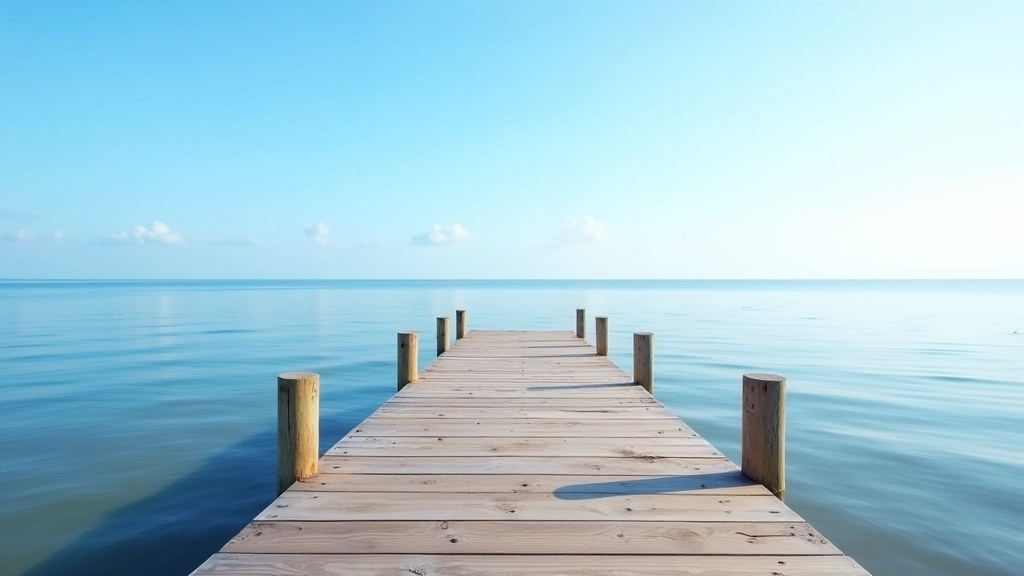
The best route starts from the Palanga Pier (Palangos Laivas) heading north toward Šventoji. The sand here's finer and more compact, which means easier walking. You'll pass beach volleyball courts, locals walking dogs, and plenty of photo spots. The pier itself is worth spending time on — the views shift dramatically depending on the light.
If you're going for genuine quiet, arrive early. We're talking 7-8 AM in summer. By mid-morning, it fills up with families and tourists. Late afternoon works too, especially around 5-6 PM when people are heading for dinner.
Palanga Walking Tips
- Wear water shoes if you have sensitive feet — shells and pebbles mix with sand
- Bring a light layer — wind off the water's stronger than you'd expect
- Park near the pier rather than south; easier access and less crowded

Neringa: Wild and Untamed
Neringa's different. It's a protected nature reserve that's only accessible by car ferry or a narrow causeway, which keeps crowds minimal. The beaches feel genuinely isolated, especially if you venture beyond the main villages. You'll see dunes, sparse vegetation, and stretches of sand that go on forever.
The best walks here are less structured. Start from Nida village and head north along the outer beach. The walk takes you past fishing villages, past old wooden houses painted in muted colors, past dunes that look like they belong to a different continent. It's slower walking — the sand's looser, softer. That's intentional. This slowness is where the real calming happens.
Neringa requires planning. There's no casual stopping for coffee. Bring water, dress appropriately, and give yourself time. A 10-kilometer walk here feels longer than a 10-kilometer walk in Palanga, not because of distance but because you're actually present the whole time.
Pro tip: Visit Neringa from May through September for the best conditions. Winter and early spring have unpredictable weather and muddy approaches to the beach.
Walking Through the Seasons
Spring (April-May)
The water's still cold, but the light's incredible. Days lengthen rapidly. Fewer tourists. The sand's firmer from winter moisture. Bring layers — temperature swings are real.
Summer (June-August)
Peak season. Warmest water (still cool at 16-17°C). Palanga gets crowded; Neringa stays quiet. Best for early morning or sunset walks. Sunscreen isn't optional.
Autumn (September-October)
Dramatic sky changes. Fewer people. Water temperature drops fast. The light's softer, warmer. Wind picks up. Perfect for meditative walks when you want genuine solitude.
Winter (November-March)
Challenging but rewarding. Gray skies, empty beaches, cold wind. The whole coast feels like it belongs to you. Requires proper gear and realistic expectations.
Making Your Walk Actually Restorative
Just showing up isn't enough. You can walk a beach and still be thinking about work emails the whole time. The practice matters. Here's what actually creates that calm state:
1
Slow Your Pace Intentionally
Forget distance goals. You're not training for anything. Aim for 2-3 kilometers per hour max. This forces your mind to settle.
2
Leave Your Phone Elsewhere
Or at least in your bag. The moment you're checking messages, you've lost the benefit. It takes about 15 minutes for your nervous system to genuinely shift.
3
Notice Specific Details
Pick something to observe closely. Shell patterns. How the light hits water. Cloud shapes. This anchors you in the present moment.
4
Walk Barefoot When Possible
The sand provides natural acupressure. Your feet have thousands of nerve endings. Direct contact with the earth is grounding in both senses.

Important Information
This article provides educational information about coastal walking in Lithuania. Individual experiences with wellness practices vary significantly based on personal health, fitness level, and circumstances. If you have medical conditions, injuries, or concerns about physical activity, consult with a healthcare professional before beginning any new walking routine. Weather conditions on the Baltic coast change rapidly — always check forecasts and dress appropriately. Respect protected natural areas and follow local regulations in Neringa National Park.
Explore More Ways to Relax