How to Practice Forest Bathing
The beauty of forest bathing is that there's no "right" way to do it. But there are some principles that make the experience deeper and more beneficial.
1
Slow Down
Walk at a pace where you can observe details. Most people spend 20-30 minutes in one small area rather than covering distance.
2
Engage Your Senses
Really notice. Feel the moss underfoot, listen to wind through branches, smell the earth. Don't just look — experience.
3
Leave Your Phone Behind
Or at least keep it silent and in your pocket. Photos distract from presence. You're here to absorb, not capture.
Dzūkija National Park: The Perfect Forest Bathing Destination
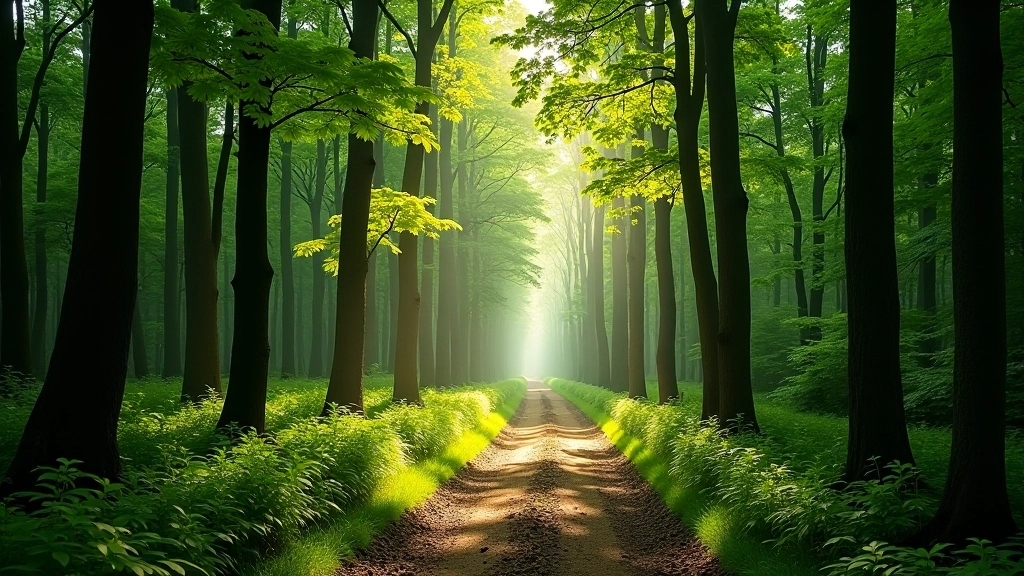
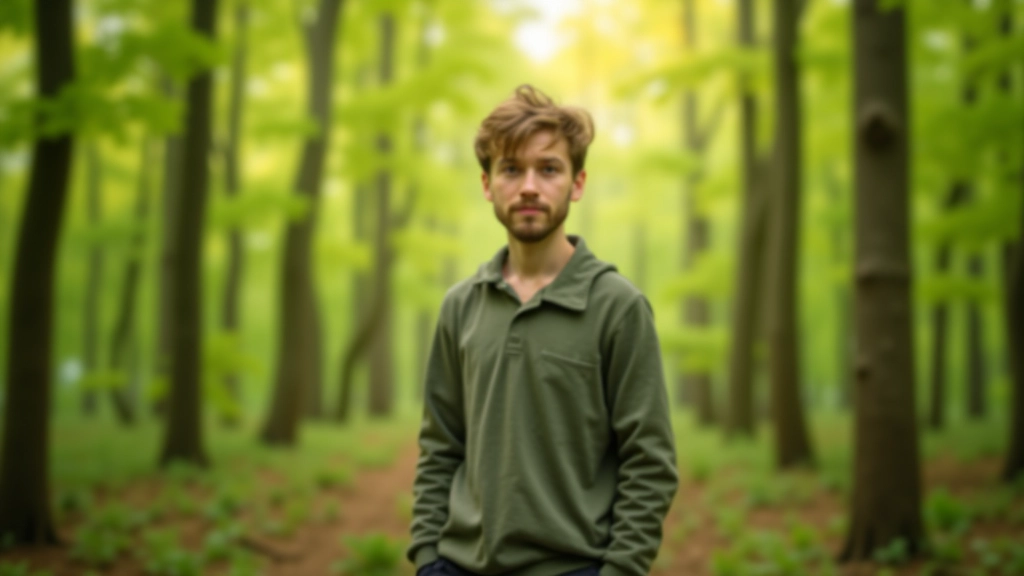
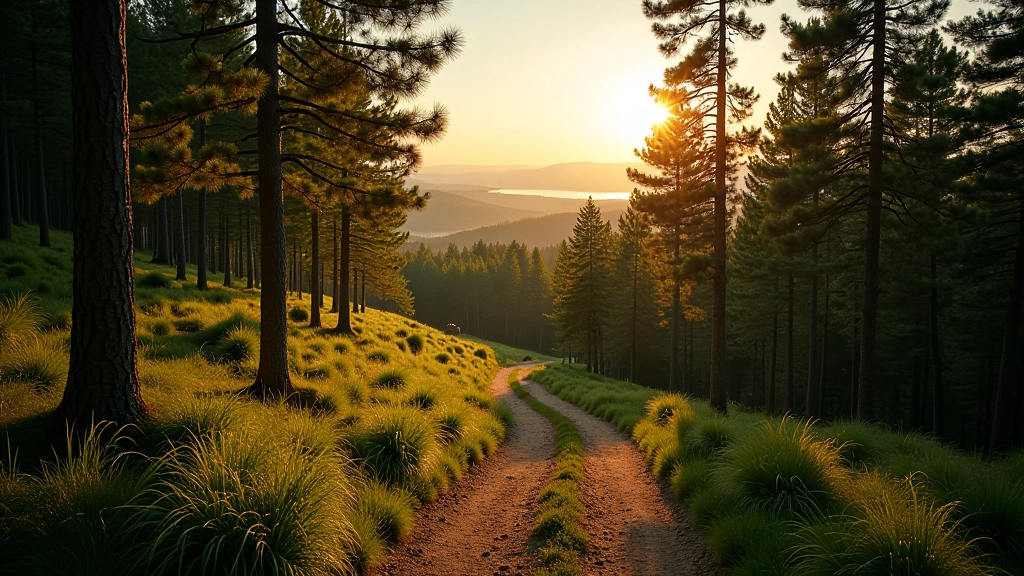
Dzūkija National Park is Lithuania's largest protected area, covering 63,000 hectares of pristine forest. It's perfect for forest bathing because it's relatively untouched and genuinely quiet. Unlike many popular nature destinations, you won't encounter crowds here. The park combines ancient pine forests with deciduous woodlands, creating diverse ecosystems that engage all your senses differently depending on the season.
The park has well-maintained trails, but you don't need to stay on them for forest bathing. The real experience happens when you venture slightly off-trail into the quiet groves where you can sit for an hour and genuinely hear yourself think. There's a reason Dzūkija has been a spiritual refuge for centuries — the forest here has a presence.
Seasonal Guide to Forest Bathing in Dzūkija
Spring (April-May)
New growth everywhere. The forest smells fresh with sap and unfurling leaves. Mornings are cool but afternoons warm up. Perfect for longer sessions since you won't overheat. Bring layers — temperature swings between 8-15°C.
Summer (June-August)
Full canopy blocks direct sun. This is actually ideal — you get natural cooling and soft light. The forest is lushest and loudest with bird activity. Early morning sessions (before 10am) avoid afternoon heat. Pack water — 18-24°C temperatures can be deceptive.
Autumn (September-October)
The sensory experience peaks. Colors, smells, sounds of wildlife preparing for winter. Crisp air (10-15°C) keeps you alert. The forest floor is soft with fallen leaves — wonderful for barefoot walking if you're comfortable. Shorter days mean planning visits for afternoon light.
Winter (November-March)
Silent and stark. Snow dampens all sound. The bare forest reveals structure you miss in summer. Sessions are shorter (30-45 minutes) because of cold (−5 to 0°C). Dress warmly and stick to marked trails — snow can hide hazards. The experience is meditative but requires preparation.
Essential Tips for Your Visit
Whether you're visiting Dzūkija for the first time or you're a regular, these practical tips ensure your forest bathing experience is safe, comfortable, and genuinely restorative.
Best Time to Go:
Early morning (6-9am) offers silence and softer light. Midday brings warmth but more people. Late afternoon (4-6pm) has beautiful golden light but fewer hours of daylight in winter.
What to Wear:
Comfortable, quiet clothing (avoid rustling synthetics). Layers you can remove. Waterproof jacket for unpredictable Lithuanian weather. Good footwear with grip — forest floors get muddy and slippery.
Duration:
Minimum 20 minutes for noticeable benefits, but 45-90 minutes is ideal. You'll notice a shift around 30-40 minutes when your mind settles and you stop thinking about time.
Safety Considerations:
Tick season (May-October) requires checking your body afterward. Bring a basic first aid kit. Let someone know where you're going. The park is well-maintained but respect wildlife — give animals space.
Important Notice
This article provides educational information about forest bathing practices and Dzūkija National Park. While forest exposure has research-backed wellness benefits, individual experiences vary. If you have health conditions, consult your doctor before starting new outdoor activities. Always check current park conditions and follow local regulations. Weather in Lithuania changes quickly — be prepared for unexpected rain and temperature shifts.
Start Your Forest Bathing Journey
Forest bathing doesn't require special equipment, membership, or expensive gear. It requires only time, presence, and access to trees. Dzūkija National Park offers exactly that — 63,000 hectares of forest waiting for you to slow down and pay attention.
The first time you visit, don't expect instant transformation. Bring realistic expectations. You're not going to feel euphoric. But you might notice your shoulders drop, your breathing deepen, and your mind quiet. You might notice the world more vividly. That's enough. That's the whole practice.
Plan your visit during a season that calls to you. Wear clothes that make you feel comfortable. Find a quiet corner of the forest and simply be there. Let the trees do their work.